Current job vacancies
We want to strengthen our team and are looking for you! Would you like to become part of our team? Then apply for one of our job vacancies or send us a speculative application!

We want to strengthen our team and are looking for you! Would you like to become part of our team? Then apply for one of our job vacancies or send us a speculative application!
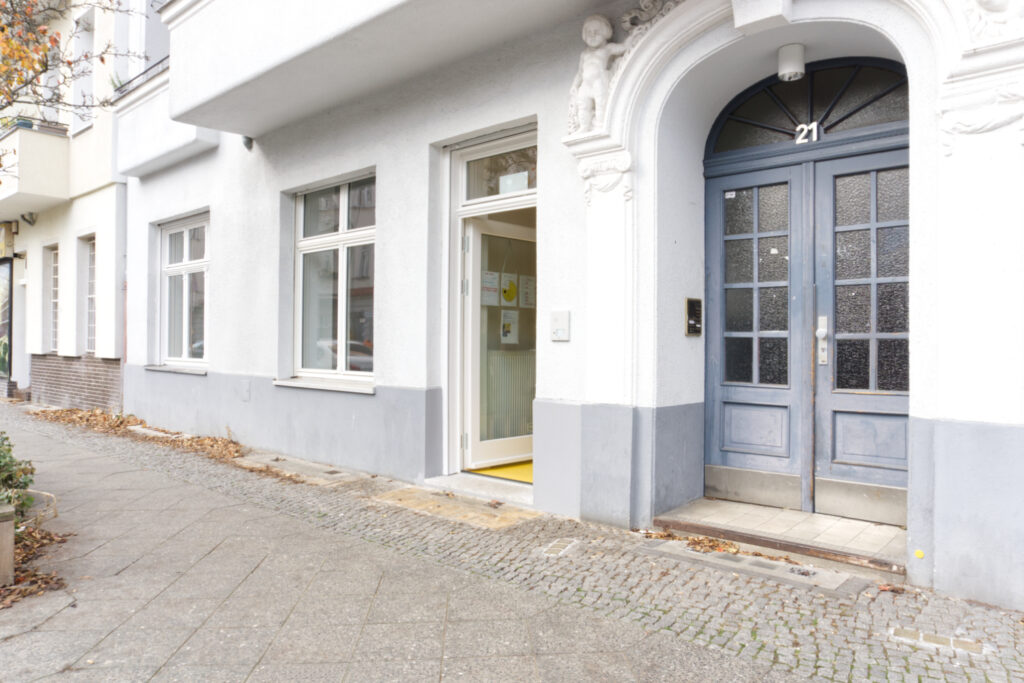
The Piccoli Artisti daycare center is located on the ground floor of a storefront in a residential building. Like the Arcobaleno daycare center (the main facility), it is located in a traffic-calmed area of the Mitte district, in the Wedding-Gesundbrunnen neighborhood.
There is a large playground directly across from the facility, on the other side of the street. There are also several small playgrounds on Grüntaler Straße. The Arcobaleno daycare center’s garden can also be used by the children at the Piccoli Artisti daycare center by arrangement.
After a walk of about ten minutes, you'll reach Humboldthain, which features many meadows, trees, and other play areas. The Gesundbrunnen Center is also located there.
The subway (U 8), the S-Bahn (Ringbahn, S 1, S 2, S 25), and a bus stop (248) are also located at Gesundbrunnen. After a seven-minute walk toward Osloer Straße/Grüntaler Straße, you can take the tram (50, M 13).
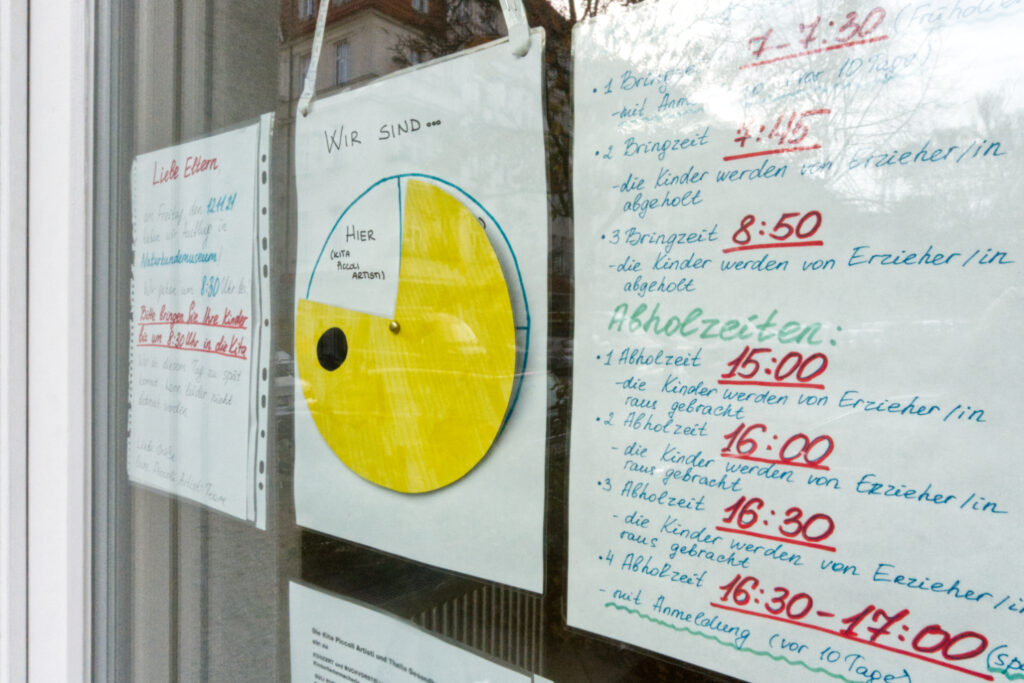
In January 2020, we discovered the vacant space at 21 Eulerstr. After a tour, we knew for sure: this is where we wanted to open a daycare center. Given its proximity to the Arcobaleno daycare center, the space is perfectly suited for our needs.
Old floor plans showed that there had already been a daycare center on the premises many years ago. Once all the applications had been approved, renovation work began in February/March 2021.
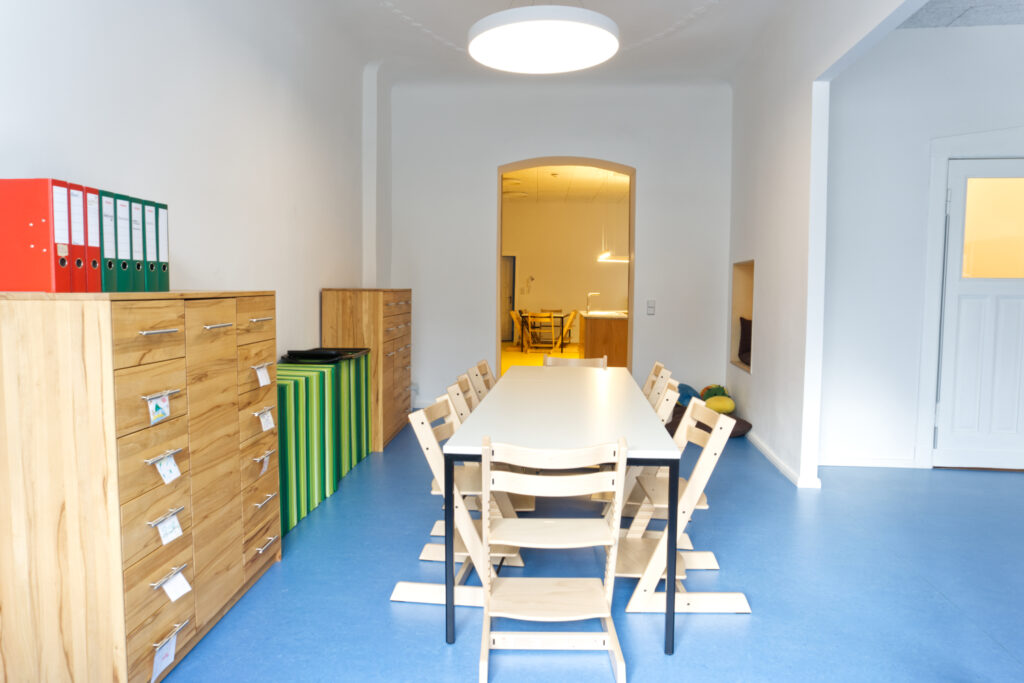
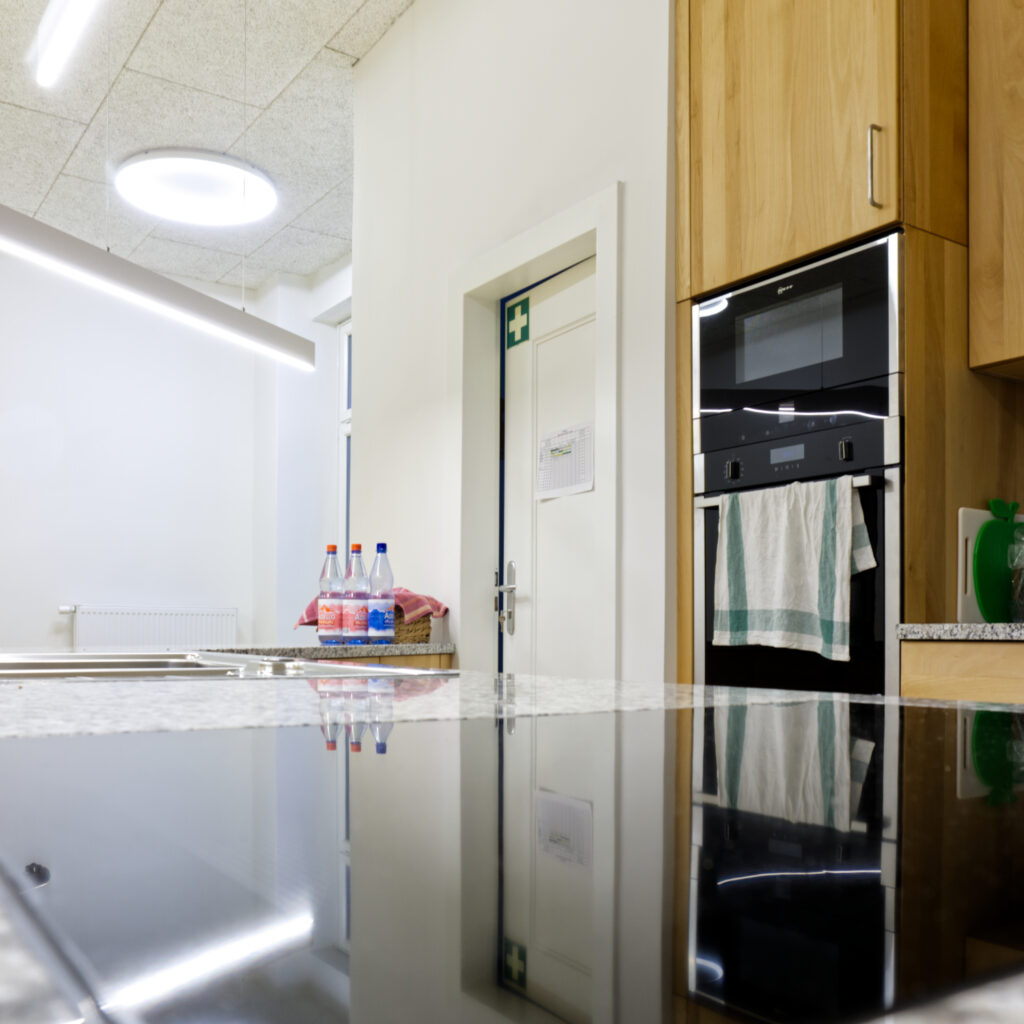
On August 30, 2021, the big day finally arrived, and the children and staff were able to move into the Piccoli Artisti daycare center.
Thanks to its location in the Wedding neighborhood, its proximity to Prenzlauer Berg and Pankow, and its expansion into a German-Italian daycare center, the Arcobaleno Daycare Center is a place where diversity and multiculturalism come together. German and Italian are offered as languages of interaction.
The facility has a total area of approximately 140 m², of which:
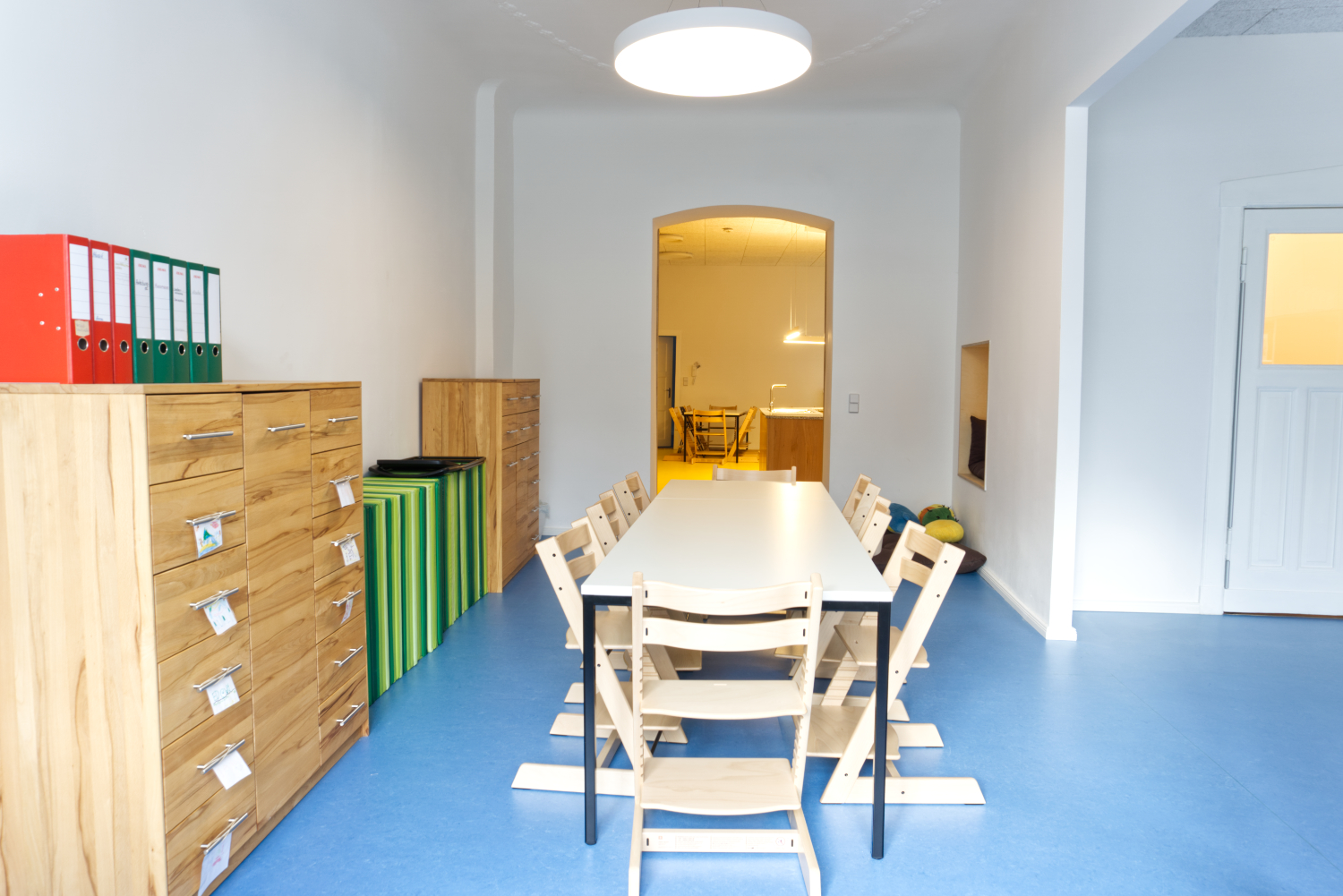

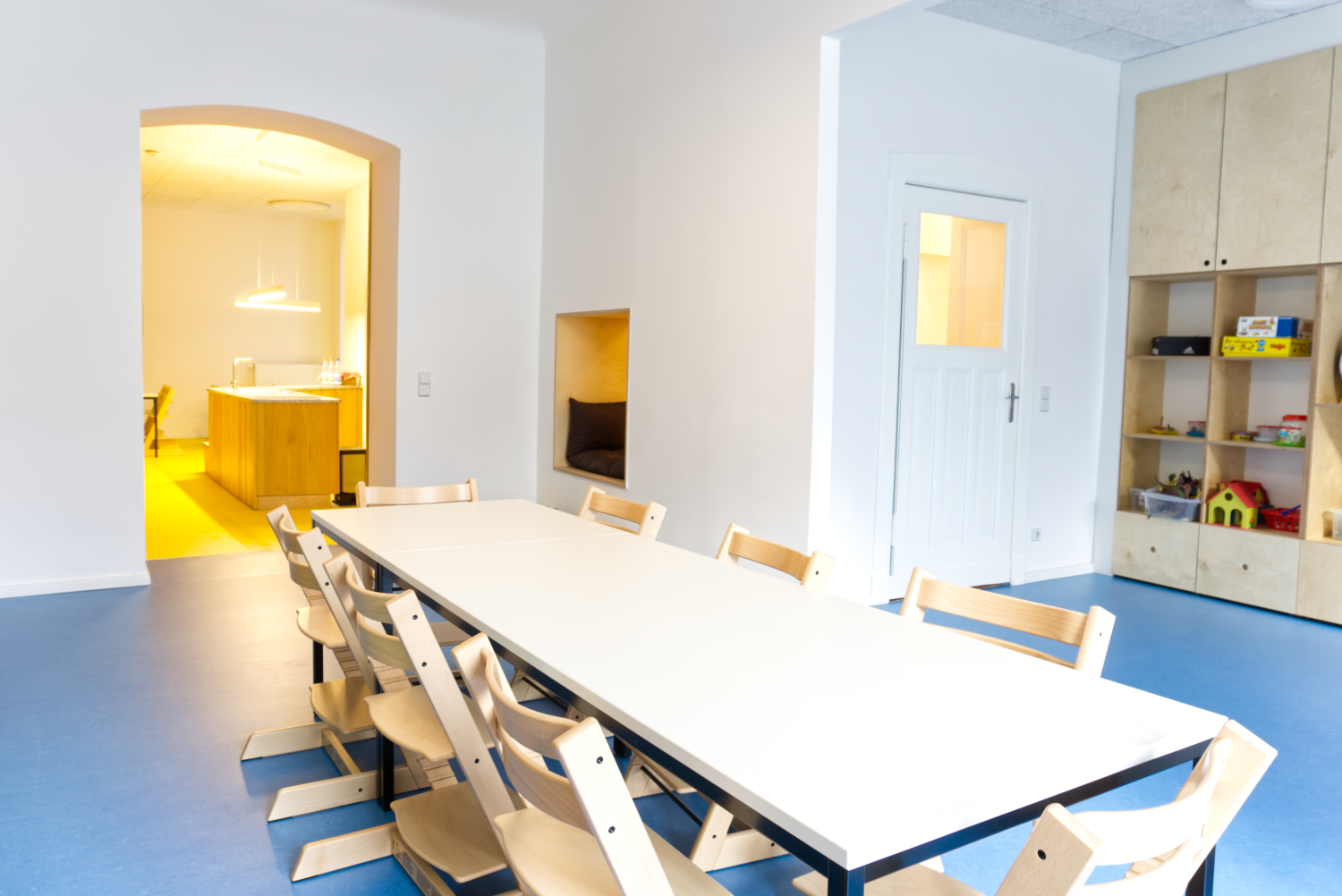
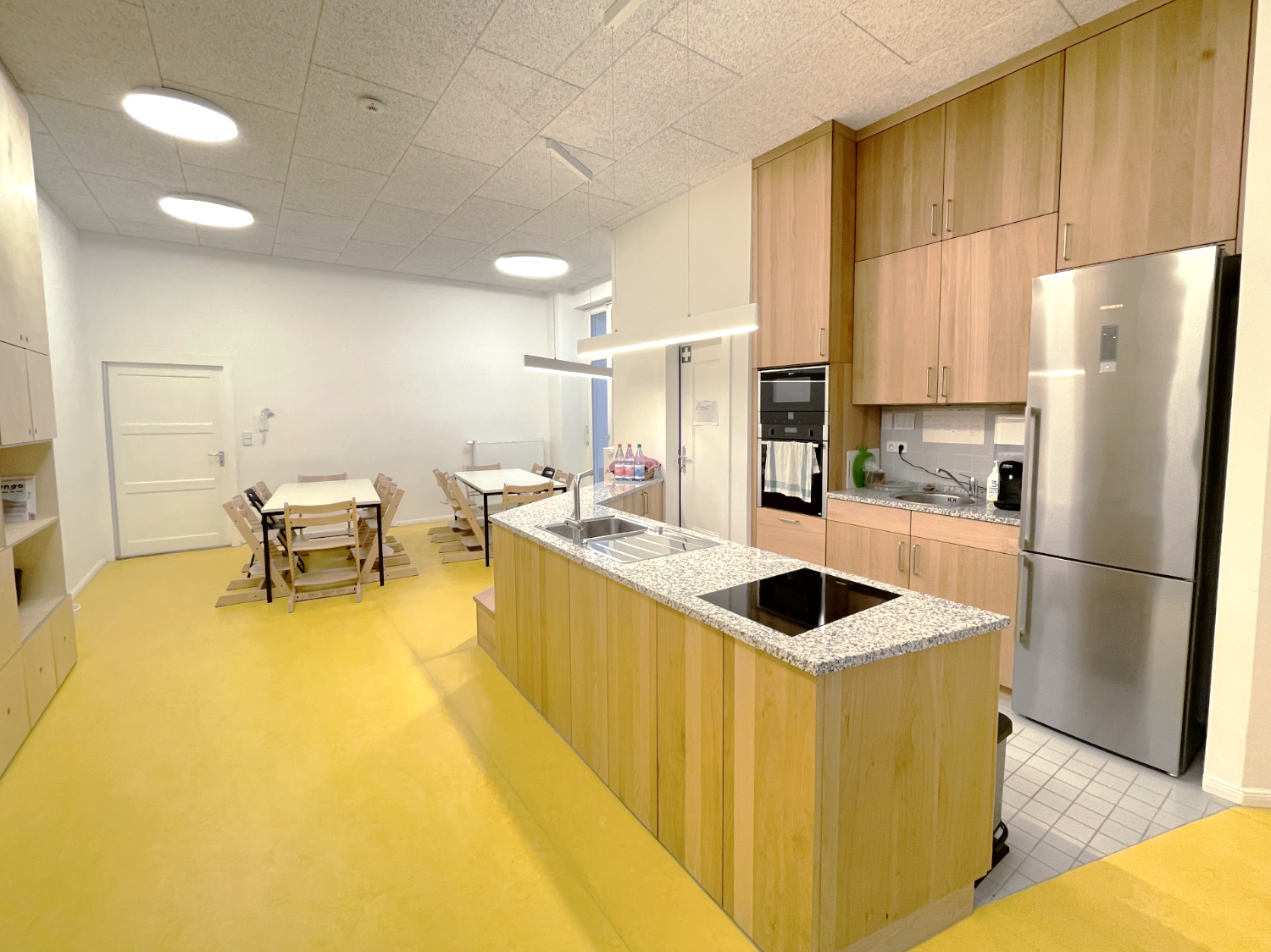
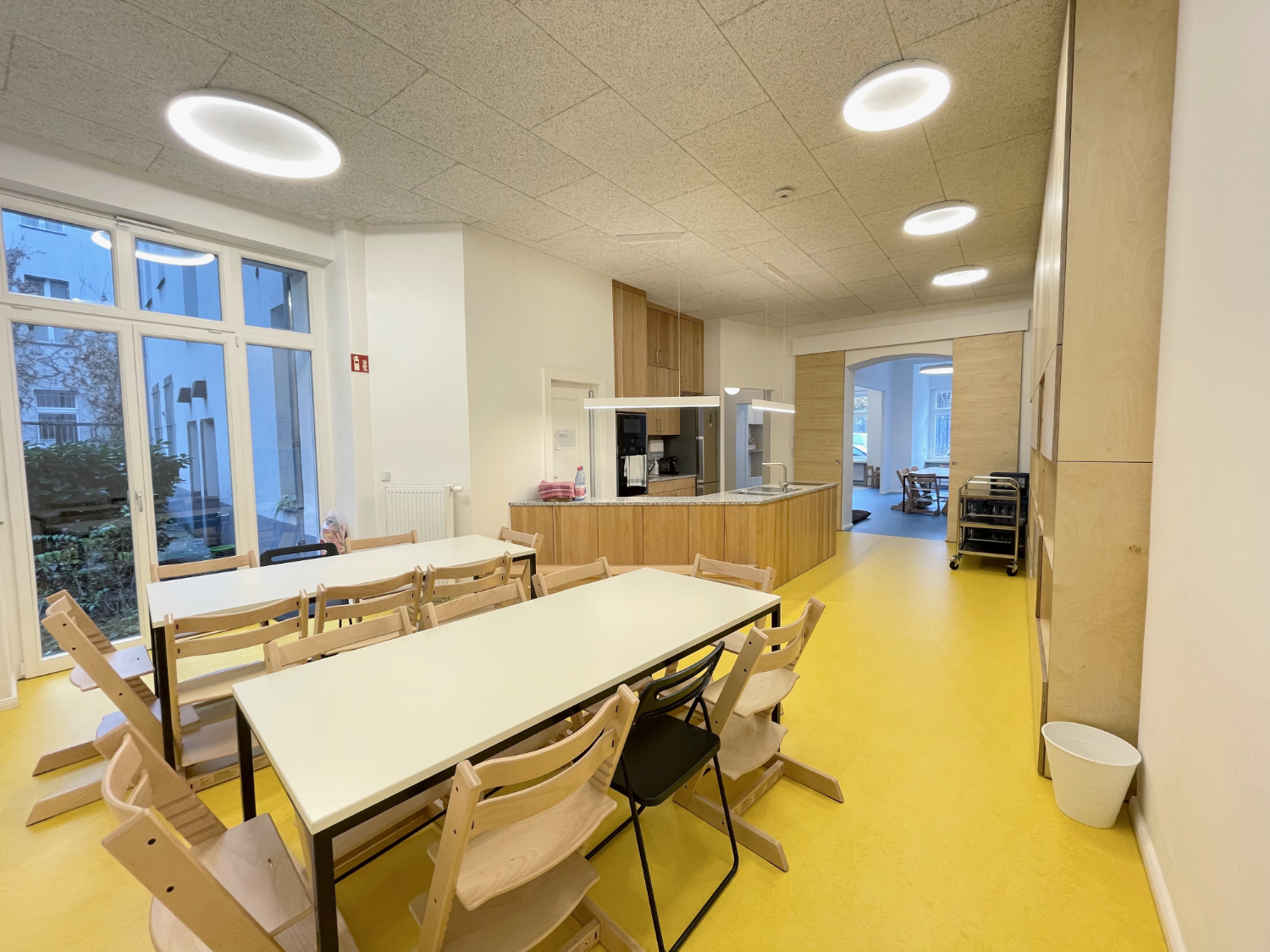
The Piccoli Artisti daycare center cares for 21 children ranging in age from four years old until they start school. Children aged zero to three are cared for at the Arcobaleno daycare center, located at Eulerstraße 19a, and transfer to the Piccoli Artisti daycare center at around age four, at the start of the new daycare year.
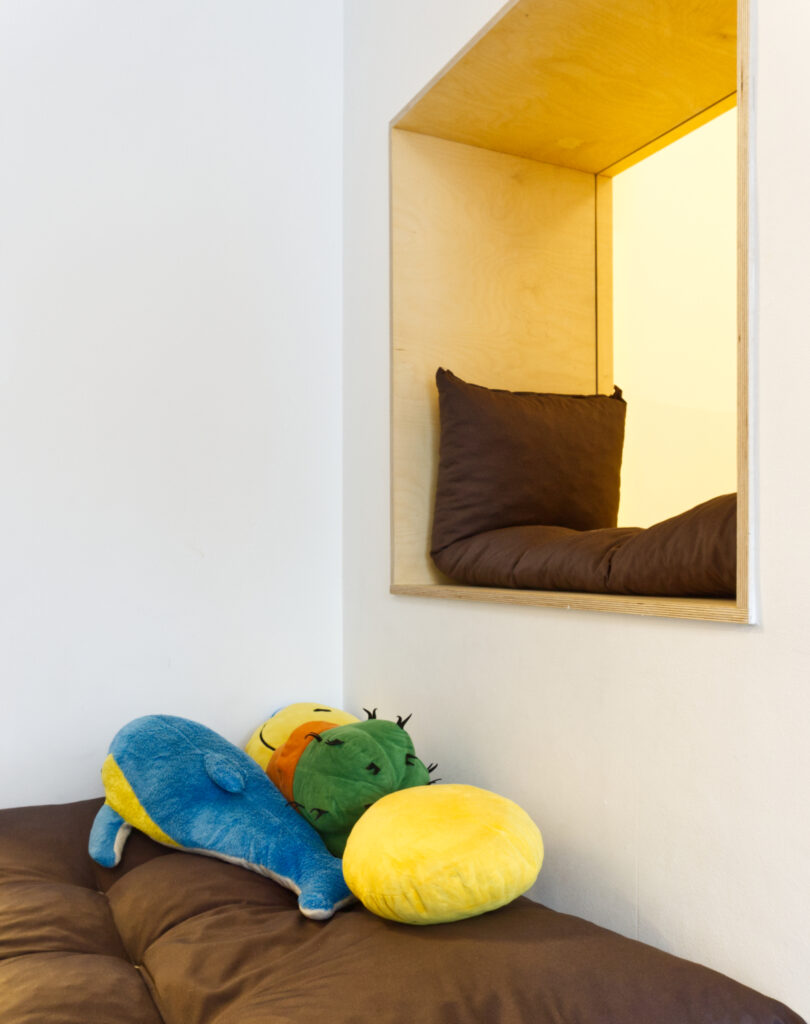
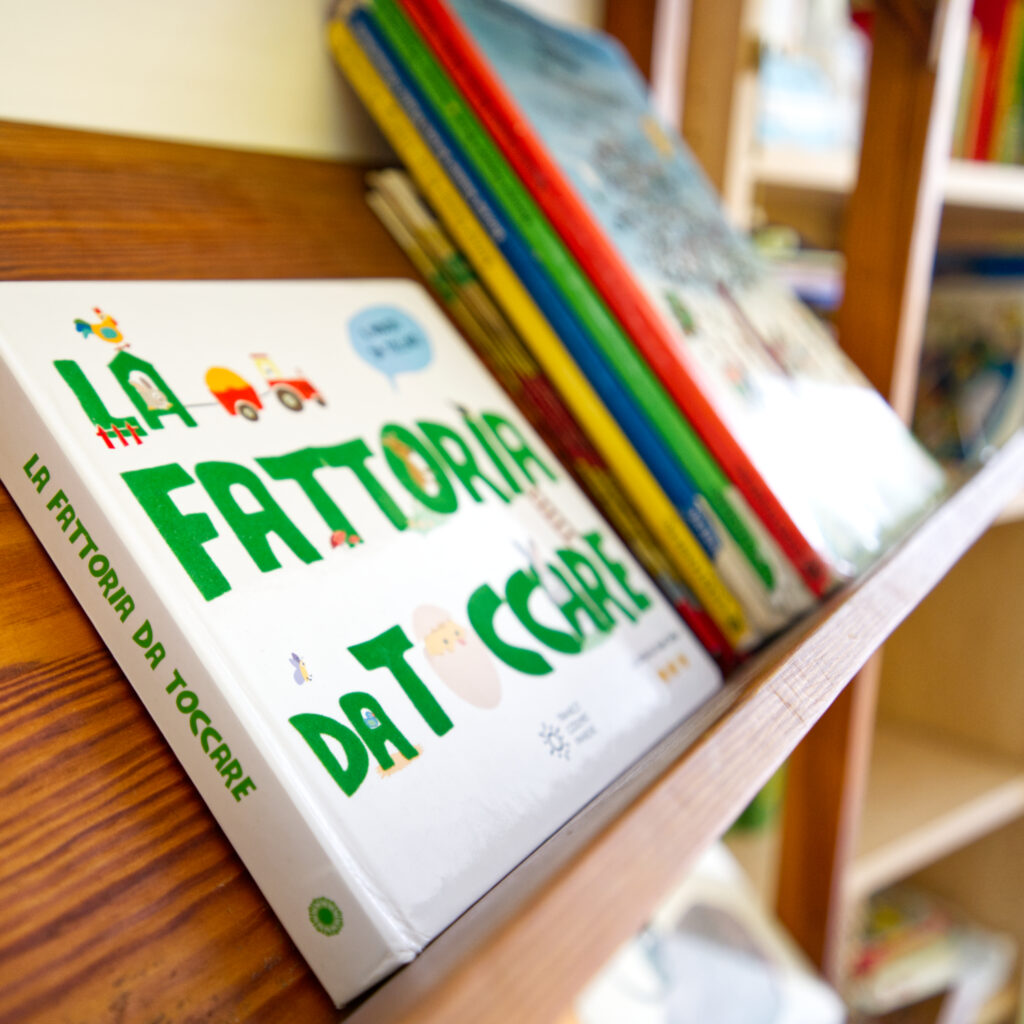
Italian and German are offered as languages of communication in our institution, i.e., each language is assigned to a specific person. In everyday life, this means that both languages are taught quite naturally and as a matter of course.
From the very beginning, both languages are integrated into the activities and accompanied by facial expressions and gestures. All activities are conducted in the language of the respective teacher. To bring the Italian language to life, we draw on aspects of culture and history—for example, by celebrating holidays such as Befana at our center.
The children choose their own language and decide for themselves whether they want to speak to the teacher in German or Italian and which language they will use when talking to each other.
All teachers speak to German-speaking parents in German. Italian-speaking parents are spoken to in Italian by Italian teachers and in German by German-speaking teachers.
Notices and information are provided in Italian and German so that parents can find out about our services in their preferred language.
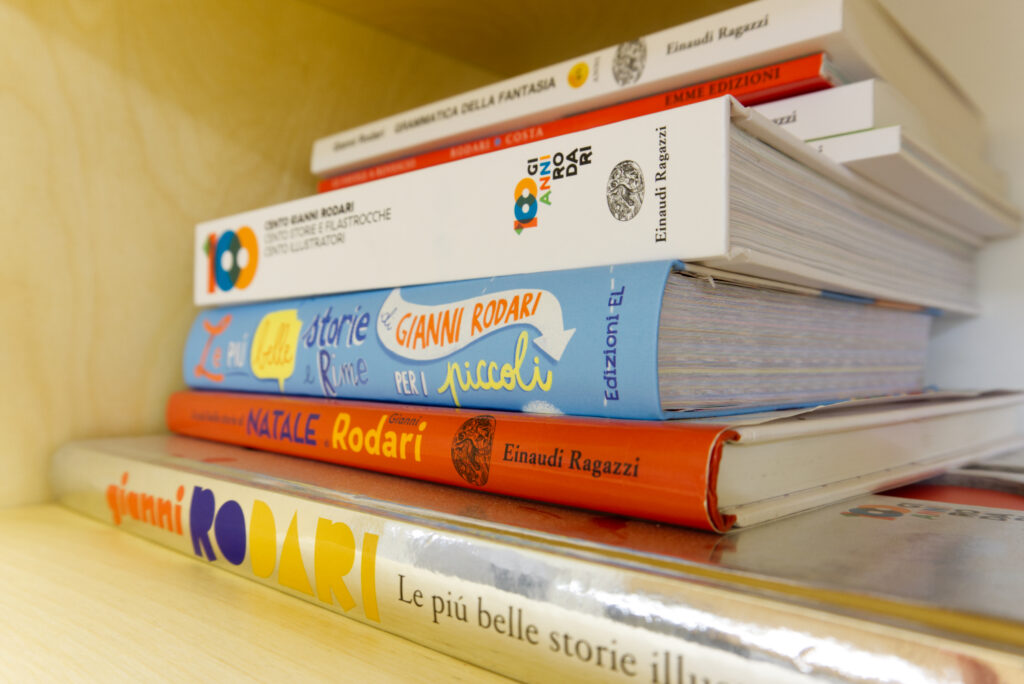
The project focuses on the figure of Italian traveler Marco Polo, who lived between 1200 and 1300. From Venice, Marco Polo embarks on a journey that will lead him to discover the Orient and its wonders. Through his work "Il Milione," which is known throughout the world, the children embarked on a journey of discovery to other civilizations, traditions, landscapes, and stories. The project aims to strengthen Italian language skills, storytelling, and communication skills through reading "Il Milione" and artistic representations.
Preparing children for school begins on their first day at daycare and ends when they start school. The final year of daycare is intended to assess the child’s preschool development over the course of their time at daycare and to help them reach the necessary milestones by the time they start school.
Children in the year before they start school are also prepared for school in a holistic manner—that is, across all areas and skills—based on their individual developmental levels and needs. Taking into account all areas of the Berlin Education Program, a variety of well-designed educational activities and games are available.
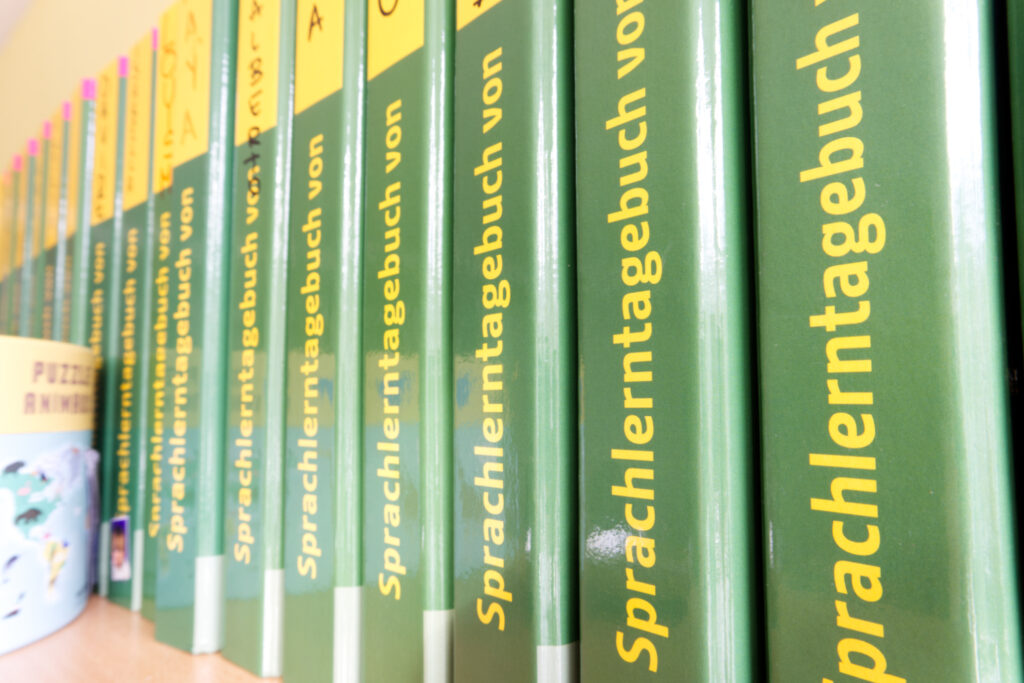
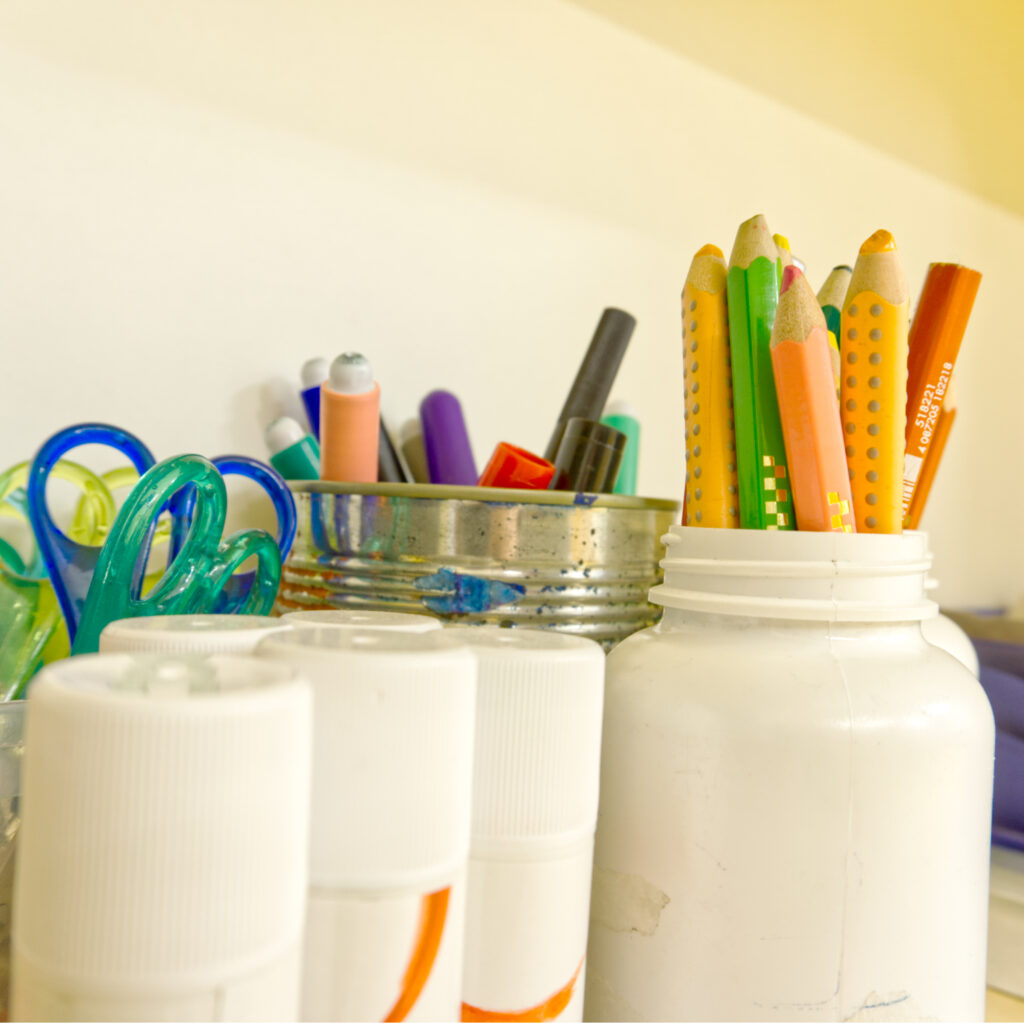
Working with various materials and tools—such as scissors, glue, and paints—is, of course, part of the program from the very beginning, and we encourage children to use them independently and naturally. To help them develop a sense of responsibility in handling these materials, the children also work with their own supplies—such as pencil cases and binders—in the year before starting school, and they are taught to take good care of their belongings. In addition, we provide the children with educational activities once or twice a day.
Our educational units are tailored to the age-appropriate needs of the children and aligned with the Berlin curriculum.
The children in our facility should learn the basics of a healthy and natural lifestyle with us as early as possible. They should learn health-conscious behavior in a playful way by following examples and practice and apply this in everyday life.
These include:

We offer mostly natural organic products and foods with minimal added sugar. Our cook prepares a varied lunch from scratch every day. The afternoon snack selection is also diverse and changes daily. Fresh, regional, and seasonal organic fruits and vegetables are also available every day. Our herbal and fruit teas contain only natural ingredients and/or flavors. Still water and tea are available to the children throughout the day. The children are encouraged to drink plenty of fluids.
Since it is human nature to move, movement also forms the basis for a child's overall development. Sufficient physical activity and sensory experiences have a positive influence on children's sensory, emotional, motor, social, and physical development.
That is why sufficient exercise is an important part of promoting health for us. We strive to offer sufficient opportunities for exercise in everyday life and to go out into the fresh air every day, in almost all weather conditions, to exercise in nature. This gives the children plenty of opportunity to test themselves, break new and unknown ground, and strengthen their immune systems.
Children gain knowledge through physical activity. This knowledge forms the foundation for reading, writing, and arithmetic.
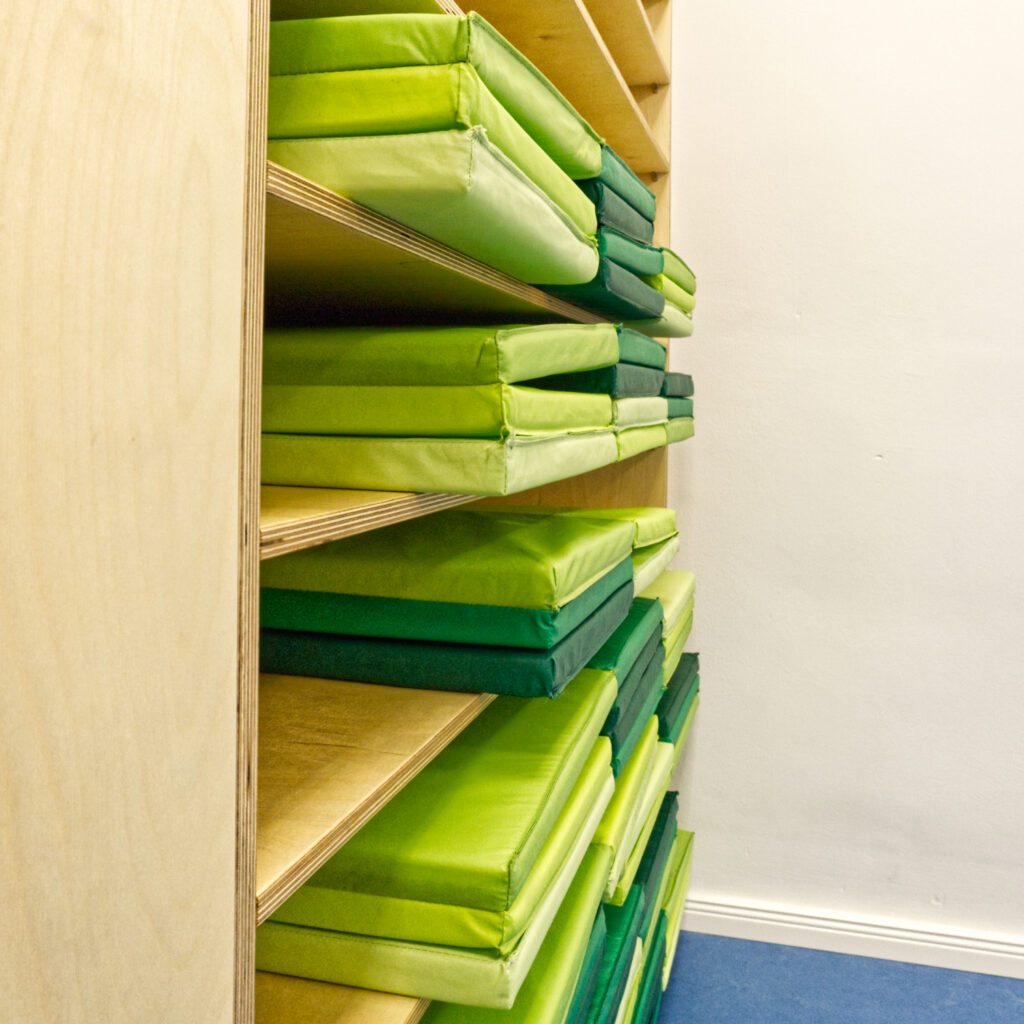
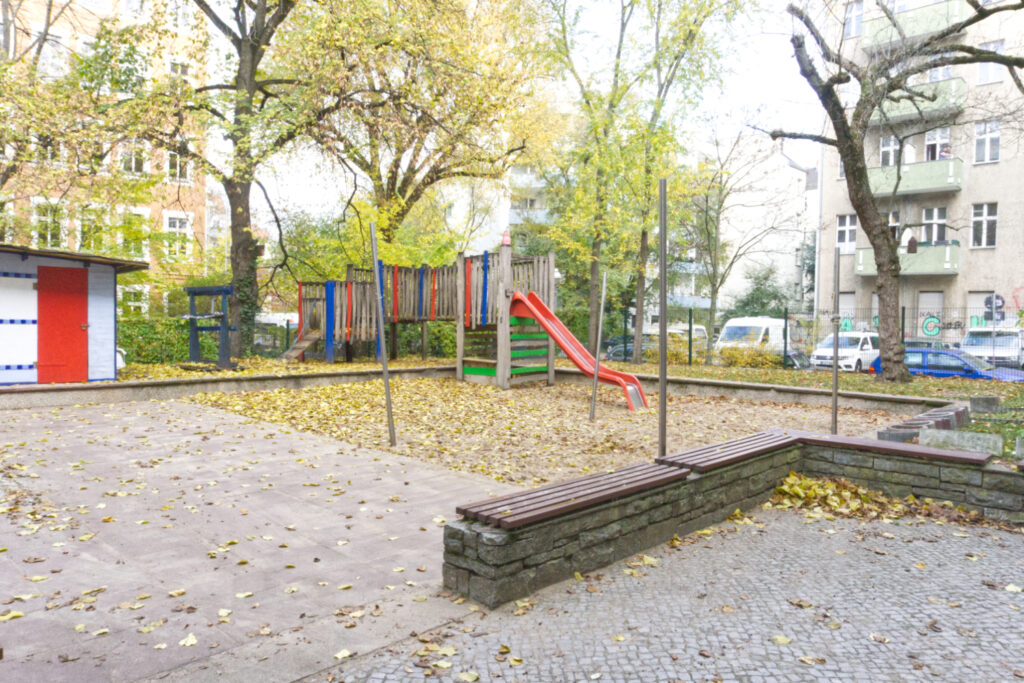
In addition, through our partnership with ALBA-Berlin, we offer a weekly physical education class. ALBA-Berlin provides a coach who introduces the children to sports in a holistic way. It is just as important to find time for relaxation and quiet so that the children can recharge their energy. That’s why, among other things, we have an afternoon nap after lunch, during which the children can listen to stories (read aloud), sleep, or simply rest. We aim to alternate between physical activity and relaxation; for example, after a quiet, focused activity, there’s an opportunity to let off steam in the garden.
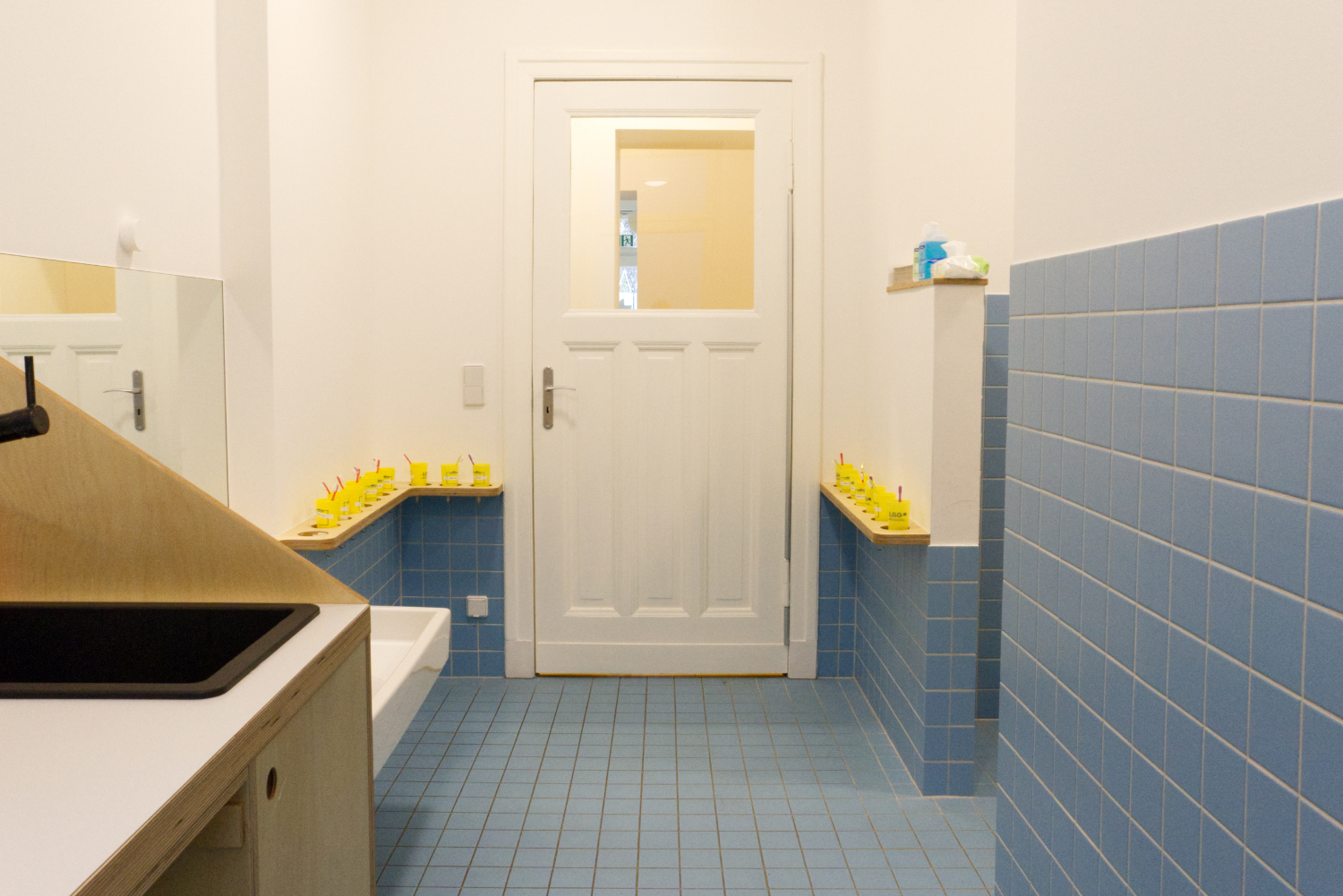
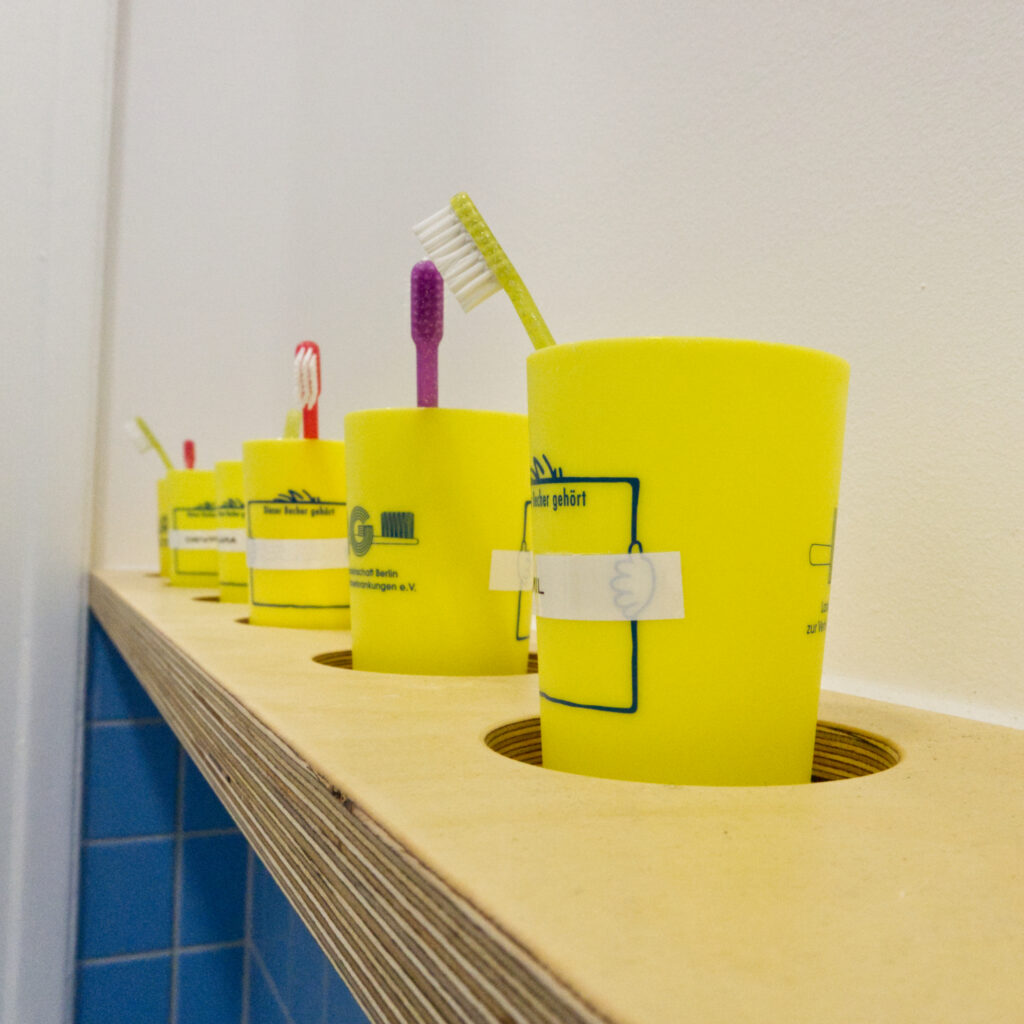
In addition to washing your hands regularly before meals and after using the toilet, daily hygiene includes blowing your nose, combing your hair, and brushing your teeth after lunch.
Depending on the age of the children, "toothbrushing training" takes place two to three times a year in cooperation with the LAG (State Working Group for the Prevention of Dental Disease).
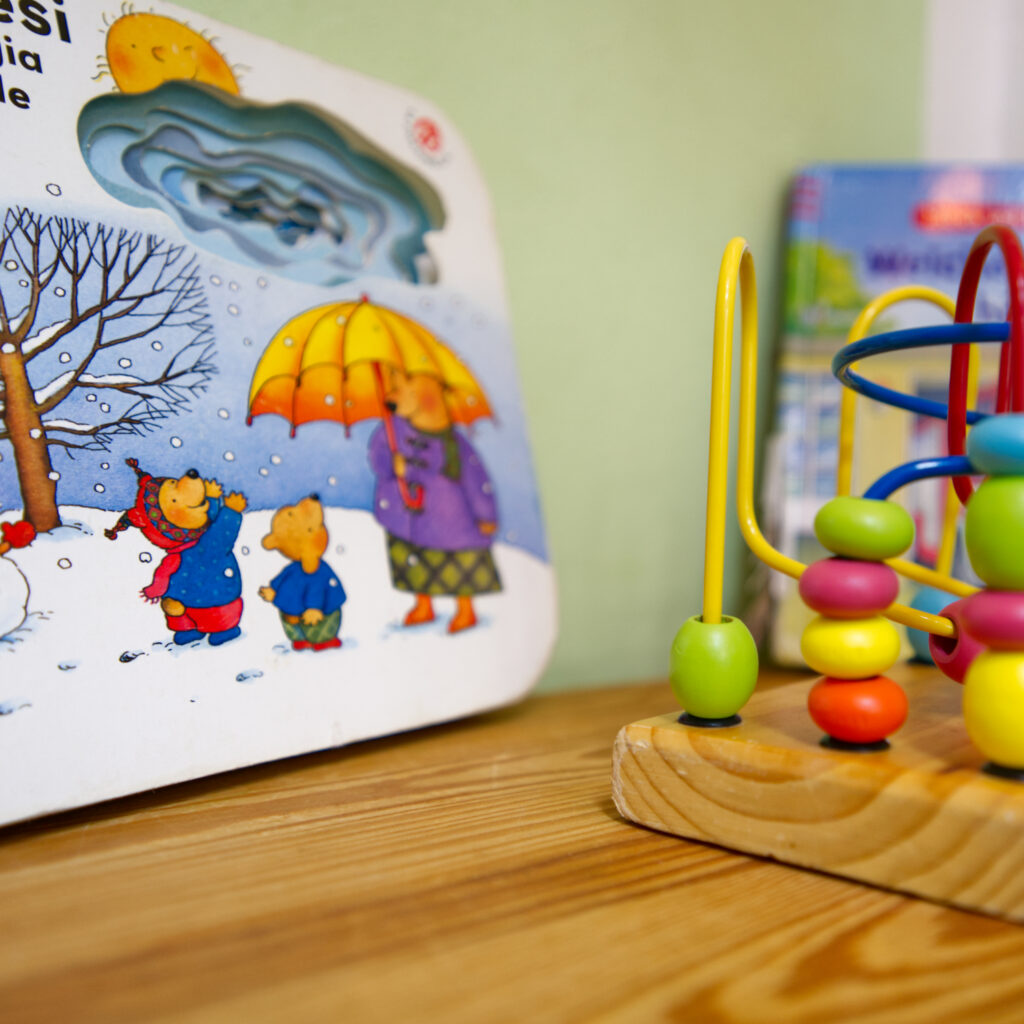
To this end, it is important that the children enjoy going to daycare, feel comfortable in their group, and make friends. They interact confidently and naturally within the group and have developed a sense of trust. They have the opportunity to freely express their feelings and needs, know where to turn for help, and understand how to resolve conflicts. They are aware of their strengths, talents, and unique qualities.
The goal is for children to understand their individual health resources and to manage them responsibly over the long term.
Eulerstr. 21, 13357 Berlin
Tel.: 030 22327374
Email: team@kita-piccoli-artisti.com